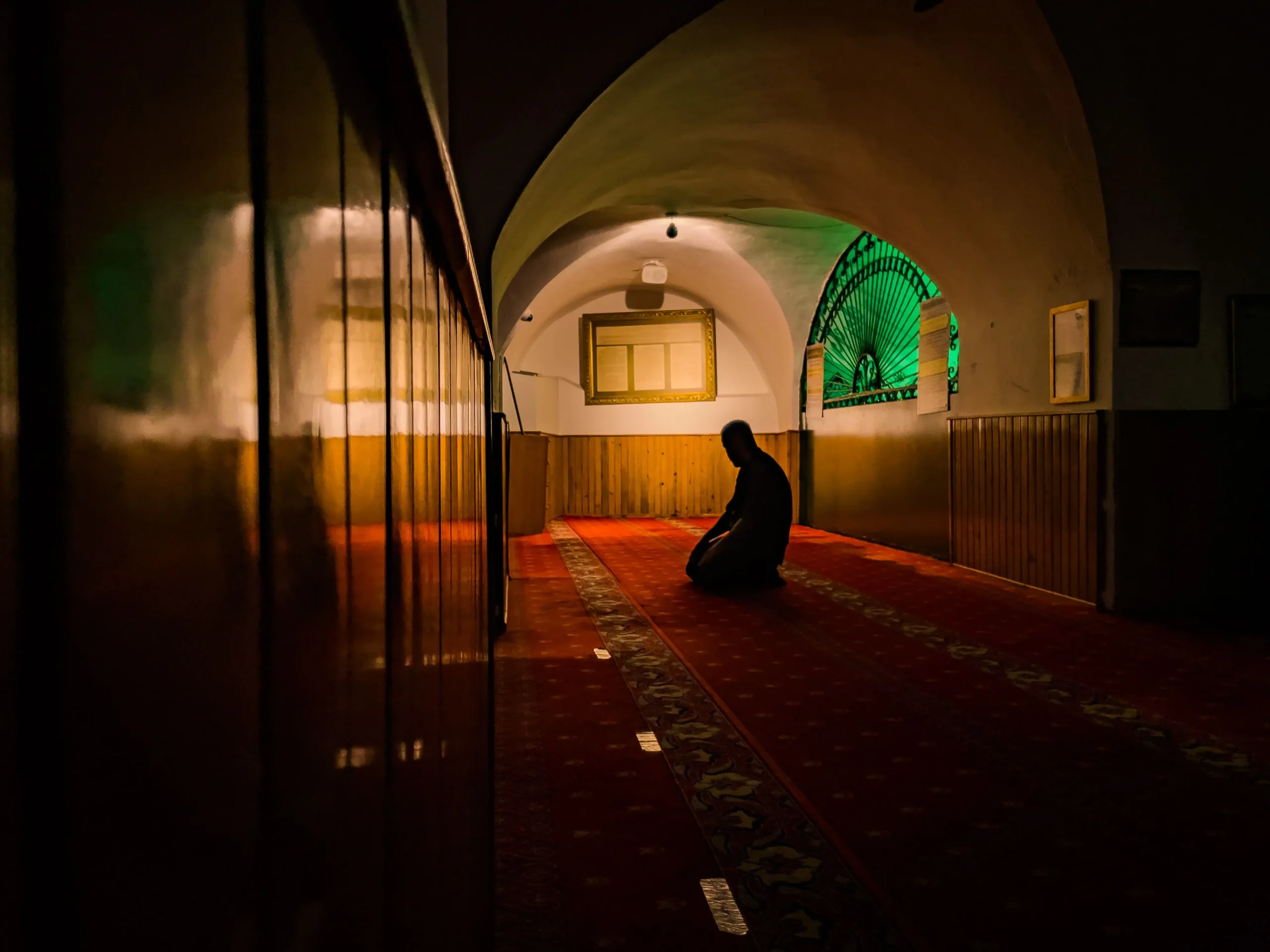
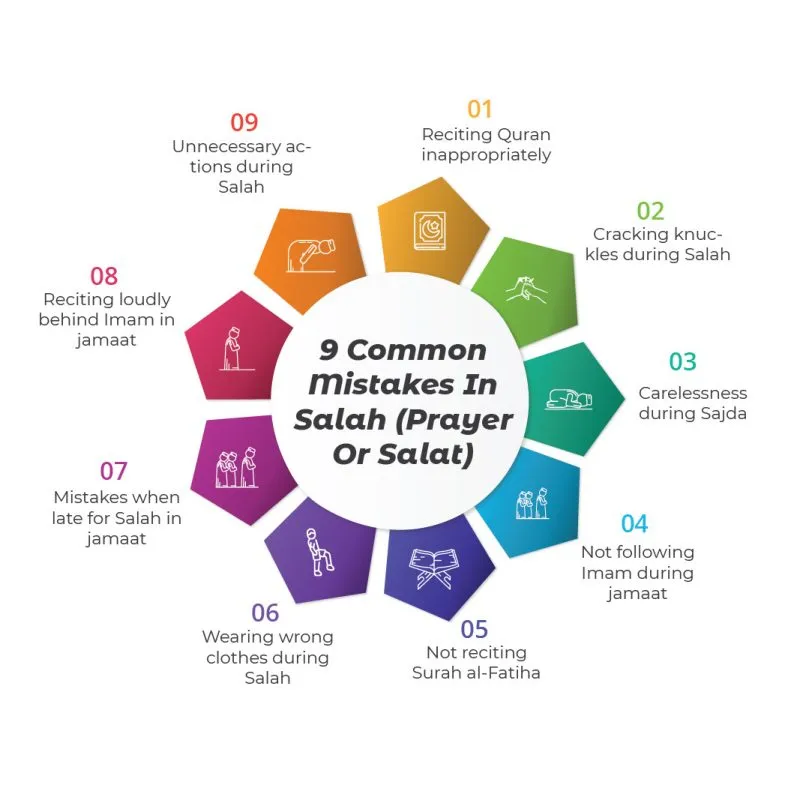
Common Prayer Mistakes can affect the quality of worship and prevent beginners from developing a consistent prayer routine. Understanding the correct way to perform daily prayers is essential for strengthening faith and improving spiritual discipline. Muslims should learn about proper wudu (ablution), prayer timings, facing the Qibla, maintaining concentration, and following the correct steps of Salah. This guide explores common prayer mistakes, practical tips, and helpful guidance to help Muslims improve their worship and strengthen their connection with Allah.
Table of Contents
- Introduction
- Why Prayers Matter for Service Websites
- Step-by-Step Strategy to Implement Prayers Content
- Common Prayers Mistakes to Avoid
- Frequently Asked Questions (FAQs)
- Conclusion
Why Prayers Matter for Service Websites
In the niche of spiritual travel, including Umrah and Hajj services, prayers are not just religious recitations but a bridge that connects the pilgrim’s faith with the website’s offerings. Including accurate, respectful, and well-structured prayers content improves credibility, spiritual growth, and user satisfaction. A well-curated prayers section serves as a guide and inspiration, helping visitors prepare mentally and spiritually for their pilgrimage journey. Conversely, errors or omissions in prayers content can confuse or alienate users, hampering business goals and trust-building efforts.
Step-by-Step Strategy to Implement Prayers Content
1. Research Authentic Prayers Examples: Start by sourcing verified prayers from trusted Islamic scholars or official religious texts to ensure authenticity and respect.
2. Create a Prayers Checklist: Develop a checklist that includes essential prayers pilgrims should know before, during, and after their journey. This helps users easily follow and prepare.
3. Integrate Prayers Tips: Offer practical prayers tips such as the best times to pray, etiquette in sacred places like Masjid al-Haram, and spiritual mindfulness techniques.
4. Use Clear Formatting: Present prayers with Arabic text, transliteration, and translations to accommodate different user preferences.
5. Update Regularly: Keep prayers content fresh and aligned with current spiritual trends and official guidelines, especially around peak times like July planning and Hajj season.
6. Link Internally to Related Content: Connect prayers sections with relevant pages such as [After Umrah Spiritual Growth](https://www.ontimehajjumrah.com/after-umrah-spiritual-growth/) and [Essential Duas to Recite During Umrah](https://www.ontimehajjumrah.com/essential-duas-to-recite-during-umrah/).
Common Prayer Mistakes to Avoid
1. Using Inaccurate or Unverified Prayers: Always avoid prayers that are not validated by authoritative sources, as this may mislead or offend users.
2. Neglecting Multilingual Presentation: Failing to provide translations and transliterations can exclude non-Arabic speakers.
3. Overloading Pages with Lengthy Prayers Without Explanation: Long prayers without context can overwhelm visitors. Instead, break them down with explanations or usage tips.
4. Ignoring Spiritual Etiquette and Context: Prayers content should respect the spiritual setting, especially for pilgrimage-related websites. Avoid casual or commercial tones in prayers sections.
5. Lack of a Prayers Checklist: Without a clear checklist, users may miss critical prayers needed for their journey.
6. Poor Integration with Related Spiritual Content: Not linking prayers to broader spiritual growth or travel tips reduces user engagement and site authority.
7. Outdated Content: Prayers content must be reviewed regularly to reflect the latest religious rulings and travel advisories.
By avoiding these mistakes, service websites can enhance their spiritual impact and business success.
Frequently Asked Questions
What are the most important prayers to include on a pilgrimage service website?
Key prayers include those recited during Ihram, Tawaf, Sa’ee, and at significant moments of Hajj and Umrah. Including essential duas and prayers for travel safety and spiritual growth is also recommended. See our [Essential Duas to Recite During Umrah](https://www.ontimehajjumrah.com/essential-duas-to-recite-during-umrah/) for detailed examples.
How can I ensure prayers content is authentic and respectful?
Use verified religious sources and consult scholars where possible. Avoid user-generated prayers without validation. Maintain a respectful tone and format prayers with Arabic text alongside translations.
Why is a prayers checklist important for service websites?
A prayers checklist helps users systematically prepare for their spiritual journey, ensuring they don’t miss vital prayers. It also improves the website’s usability and trustworthiness.
Can prayers content improve my website’s SEO?
Yes, relevant and authoritative prayers content aligned with user intent can improve organic traffic by addressing common search queries around spiritual preparations and pilgrimage guidance.
Conclusion
Understanding Common Prayer Mistakes is important for Muslims who want to improve their Salah and strengthen their connection with Allah. Avoiding errors such as incorrect prayer practices, misunderstanding the meanings of duas, neglecting translations, and losing focus can help worshippers develop a more meaningful prayer routine. Our guide to Common Prayer Mistakes provides practical tips, a helpful checklist, and examples to support better understanding and consistent worship. For more insights into spiritual preparation and pilgrimage planning, explore related topics like Umrah Travel Checklist and Masjid al-Haram and Masjid an-Nabawi Etiquette. By learning about Common Prayer Mistakes, visitors can find useful guidance to improve their prayer experience and prepare spiritually for their pilgrimage.
For more practical guidance on prayers, review After Umrah Spiritual Growth: 9 Powerful Ways to Maintain Your Faith as part of your implementation plan.
Related Resources
- After Umrah Spiritual Growth: 9 Powerful Ways to Maintain Your Faith
- Umrah Travel Scams: 9 Critical Mistakes Pilgrims Must Avoid
- Umrah Travel Checklist: 10 Essential Steps for a Smooth Journey
An additional reference for prayers is Google Search Central SEO Starter Guide.